Ingredients in Context
Single-ingredient spotlight bottles have trained consumers to shop like compounding pharmacists without explaining how a complete formula works. In cosmetic chemistry, an active molecule's behavior depends on the vehicle's pH, solvent polarity, occlusion level, and how frequently you apply it across a month.
Use this page to place common INCI ingredients into functional families so your routine ledger contains one clear worker per job rather than three competing bottles.

Figure 2.1 — Reading an INCI panel by concentration zone separates true workhorse formulas from "fairy-dusted" marketing claims.
How to Read the INCI 1% Line and pH Dependency
Under the International Nomenclature of Cosmetic Ingredients (INCI) system established by the Personal Care Products Council (PCPC) and enforced across the US, EU, UK, and Canada, ingredients above 1% by weight must be listed strictly in descending order. Ingredients present at 1% or less may be listed in any order after that threshold.
-
Spotting the 1% Boundary Markers Phenoxyethanol, xanthan gum, carbomer, sodium hyaluronate, and disodium EDTA almost always sit at or below 1.0%. If a prized botanical extract or peptide appears below phenoxyethanol, it is present in trace amounts.
-
Free Acid Value in Exfoliants A 10% glycolic acid bottle formulated at pH 3.6 delivers significantly more un-ionized "free acid" to the stratum corneum than a 10% glycolic acid bottle buffered up to pH 4.5. Percentage alone never tells the whole story.
-
Oxidation & Packaging Stability Pure L-ascorbic acid and retinol degrade rapidly when exposed to oxygen and UV light. Look for opaque airless pumps or dark amber glass tubes rather than wide-mouth clear jars.
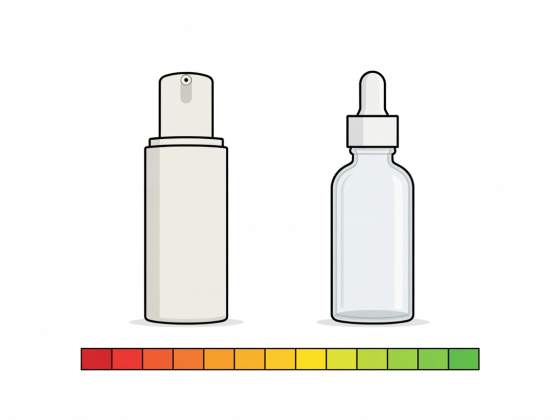
Figure 2.2 — Container engineering and solution pH govern whether active ingredients stay intact on your shelf.
Comprehensive Functional Ingredient Ledger
Compare the primary ingredient families below before adding any leave-on treatment to your weekly schedule:
| INCI Name & Family | Core Functional Job | Effective Range | Routine Cadence & Pairing Notes |
|---|---|---|---|
| Glycerin (Trihydric Alcohol Humectant) |
Draws water into the stratum corneum and maintains corneocyte flexibility even in low humidity | 3% – 15% | Twice daily (AM/PM). Compatible with every active ingredient; zero conflict. |
| Ceramides NP, AP, EOP + Cholesterol (Intercellular Lipids) |
Replenishes the lamellar lipid mortar between corneocytes to slow transepidermal water loss | 0.5% – 2% complex | Twice daily (AM/PM). Essential buffer alongside retinoids or winter heating. |
| Niacinamide (Pyridine-3-carboxylic Acid Amide) |
Upregulates barrier ceramides, moderates sebum excretion rate, reduces blotchy erythema | 2% – 5% | Daily AM or PM. Check how many of your products already include 2–4% niacinamide to avoid cumulative stinging. |
| Salicylic Acid (Beta Hydroxy Acid / BHA) |
Lipid-soluble keratolytic that penetrates sebaceous filaments and loosens comedonal plugs | 0.5% – 2.0% | 2 to 3 times weekly (leave-on) or daily in a short-contact cleanser. Do not layer on the same night as retinoids. |
| Glycolic & Lactic Acid (Alpha Hydroxy Acids / AHAs) |
Water-soluble corneodesmosome modulators that smooth surface roughness and boost hydration (lactic) | 5% – 10% (pH 3.5–4.0) | 1 to 2 evenings weekly. Requires strict daily SPF 30+ due to increased UV sensitivity for up to 7 days post-use. |
| Azelaic Acid (Saturated Dicarboxylic Acid) |
Normalizes follicular keratinization, calms visible redness, and inhibits tyrosinase in uneven pigment | 10% (cosmetic) – 15–20% (Rx) | Once daily (AM or PM). Well-tolerated by sensitive and rosacea-prone skin types. |
| Retinol & Retinaldehyde (Vitamin A Derivatives) |
Converts enzymatically to retinoic acid to regulate epidermal turnover and support dermal collagen | 0.1% – 1.0% (Retinol) 0.05% – 0.1% (Retinal) |
Evening only. Start 2 nights/week for 14 days, then every other night. Avoid during pregnancy. |
| L-Ascorbic Acid (Water-Soluble Antioxidant) |
Scavenges reactive oxygen species generated by UV/pollution and serves as a cofactor for procollagen | 8% – 15% (pH < 3.5) | Morning under sunscreen. Store tightly capped; discard if solution turns dark brown-orange. |
Ingredient Pacing & Conflict Reference
Most irritation attributed to "allergic reactions" is actually cumulative barrier fatigue from layering two low-pH or keratolytic formulas in the same evening. Expand the pairing notes below to keep your ledger orderly:
Retinoids + Alpha/Beta Hydroxy Acids (Alternate Nights)
Applying glycolic or salicylic acid immediately before retinol strips the protective upper corneocyte layer and accelerates retinoid penetration, provoking peeling and burning. Assign your retinoid to Monday/Wednesday/Friday and reserve your AHA/BHA for Saturday only—or skip the acid entirely while acclimating.
Benzoyl Peroxide + Tretinoin / Retinol (Separate AM & PM)
Benzoyl peroxide is an oxidizing agent that can oxidize traditional retinol or tretinoin on contact (unless microencapsulated). Use a benzoyl peroxide wash in the morning and apply your retinoid to dry skin at night.
Hidden Multi-Product Niacinamide Stacking
Many modern cleansers, toners, moisturizers, and sunscreens already include 2% to 4% niacinamide. Adding a dedicated 10% niacinamide booster on top pushes total exposure high enough to cause warm flushing. Audit your existing base products first.
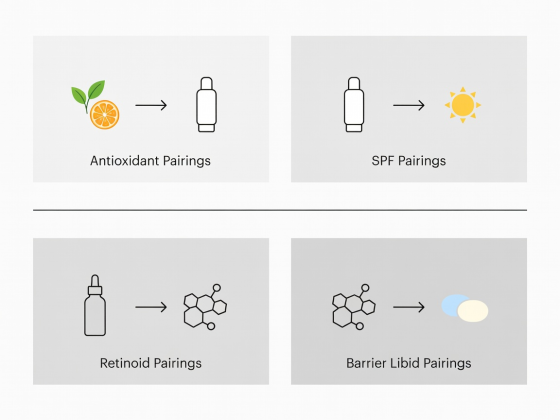
Figure 2.3 — Separating oxidative or low-pH steps between morning and evening eliminates conflict without adding complexity.